The Death and Resurrection of Alternative Space Walk down the cracked concrete steps behind Meridian Coffee on Fifth Street, past the rusted fire escape and through a door marked only with a small piece of masking tape reading “Ring Bell,” and you enter what might be the most important cultural space our city has produced …
The Basement Where It All Started Making Sense Three floors below a crumbling Soviet-era apartment block in Moscow, Alexei Petrov cranks his homemade synthesizer through a stack of blown speakers, creating walls of distorted ambience that would make Kevin Martin weep. The sound bounces off concrete walls painted black sometime in the 1990s, where kids …

The Canvas That Rewrites Itself When Nam June Paik first bent cathode ray tubes to his artistic will in the 1960s, he wasn’t just creating video art. He was performing surgery on the nervous system of modern media, forcing us to confront the uncomfortable truth that our tools fundamentally alter the nature of what we …
The Moment of Genesis There’s a particular violence in the act of creation when an artist, often unknowingly, shatters the comfortable boundaries that have contained their chosen medium for decades. The debut work that reshapes a genre doesn’t announce itself with fanfare or manifestos. Instead, it arrives like a geological shift, quiet at first, then …

The Architecture of Creative Rebellion When Maya Lin submitted her design for the Vietnam Veterans Memorial in 1981, she wasn’t trying to revolutionize commemorative architecture. She was solving a problem with ruthless simplicity, stripping away every decorative impulse to arrive at something that cut deeper than bronze heroics ever could. The process began with her …
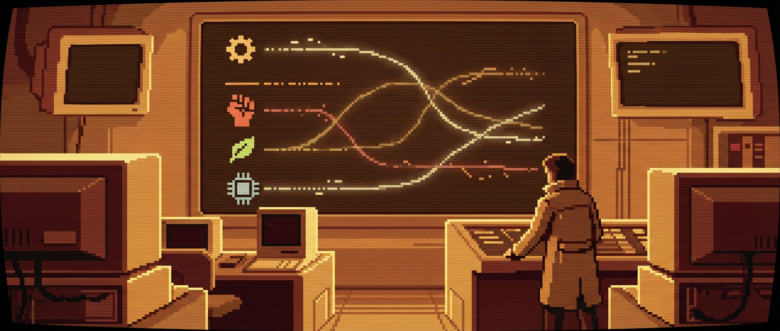
The Underground Current That Changed Everything Walk into any contemporary art fair today and you’ll encounter video installations that seem to speak a familiar language of surveillance, identity, and technological alienation. What you’re witnessing is the distant echo of a movement that emerged from the damp basements and converted warehouses of Vancouver in the late …

The Archaeology of Underground Ambition Gallery 9 closed its doors for the final time three weeks ago, and the silence feels archaeological. What began in 1987 as Margaret Chen’s desperate attempt to find affordable exhibition space for her collective of ceramic artists became something far more consequential: a laboratory for artistic risk that operated beneath …
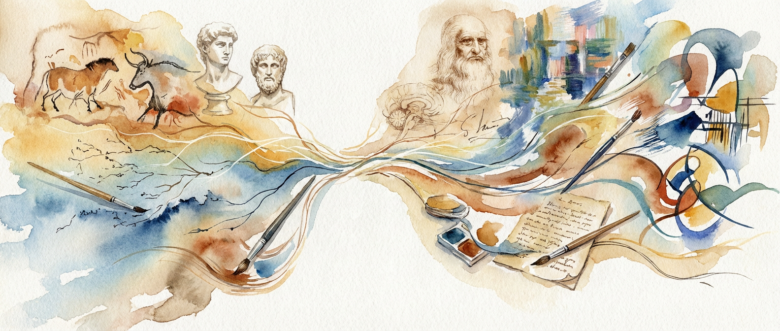
The Bloomian Shadow: When Predecessors Become Prison Walls Harold Bloom’s theory of the anxiety of influence, originally conceived for poets, hits differently when you apply it to other art forms. Think about the crushing weight Jackson Pollock felt from Picasso, or how Godard both worshipped and tore apart the Hollywood masters he studied obsessively at …
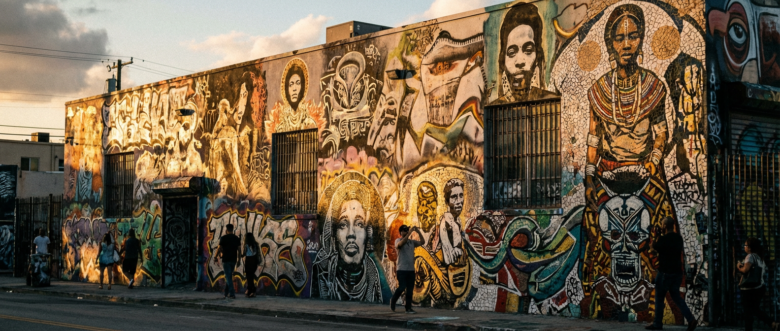
The Economic Metamorphosis of Urban Expression The anonymous figure known as Banksy is one of the most fascinating paradoxes in contemporary art markets, with annual trading values surpassing one hundred million dollars despite the artist’s steadfast refusal to reveal their identity. This phenomenon shows a broader transformation happening within street art, where works once considered …
The Numbers Game: When Volume Meets Velocity The Sundance Film Festival received seventeen thousand submissions for its 2026 edition. Seventeen thousand. A decade ago, the festival was actually scrambling to fill programming slots with quality independent work. Now they’re drowning in it. This flood isn’t just growth. It’s a complete shift in how films get …