The Mathematics of Creative Survival
The numbers tell a stark story about contemporary artistic practice. For the vast majority of independent artists, digital platforms that promised democratized access to audiences have delivered something closer to economic disappointment. Nine out of ten artists working through streaming services earn less than five hundred dollars annually from their digital presence. That barely covers the cost of professional recording equipment, let alone sustaining a practice.
This reality forces a fundamental reconsideration of how we understand artistic labor and value creation. The traditional metrics of success (plays, downloads, gallery representation) often bear little relationship to an artist’s ability to continue making work. Instead, practitioners find themselves developing hybrid approaches that blend commercial awareness with creative integrity. They’re seeking sustainable models that honor both economic necessity and artistic vision.
The disconnect between cultural impact and financial reward has become particularly acute as digital platforms consolidate power while offering diminishing returns to creators. Artists who might reach thousands of listeners or viewers discover that engagement rarely translates into meaningful economic support. This creates a gap between cultural relevance and material sustainability that challenges fundamental assumptions about creative careers.
Direct Connection and Platform Alternatives
Against this backdrop, platforms designed around direct artist-to-audience relationships have become important alternatives. Services like Bandcamp and Patreon operate on fundamentally different principles, prioritizing creator revenue over algorithmic engagement. These platforms recognize that sustainable creative communities require economic structures that actually support the people making the work.
The success of these models suggests something profound about audience relationship to artistic practice. When given the opportunity to directly support creators, many people choose to do so. This indicates that the problem lies not with public interest in supporting artists but with intermediary systems that capture value without distributing it equitably. This shift toward direct support represents more than a platform change. It signals a broader understanding that sustainable art requires sustainable artists.
These direct-support models also allow for different kinds of creative risk-taking. Artists working within traditional commercial frameworks often face pressure to produce content that fits established categories or appeals to algorithmic preferences. Direct support creates space for experimental work, long-term projects, and the kind of sustained investigation that produces genuinely innovative art.
Space, Place, and the Geography of Making
The question of where to make work has become increasingly complex as urban centers price out the very communities that give them cultural vitality. Studio space in major cities now commands rents that make them accessible primarily to artists with independent wealth or established commercial success. This creates a barrier to entry that fundamentally alters the demographic composition of artistic communities.
This spatial displacement has profound implications for artistic practice itself. The energy and cross-pollination that emerge from concentrated creative communities cannot easily be replicated in isolation. When economic pressures scatter artists across vast geographic areas, the informal networks of mutual support, collaboration, and creative dialogue that fuel innovative work begin to fragment.
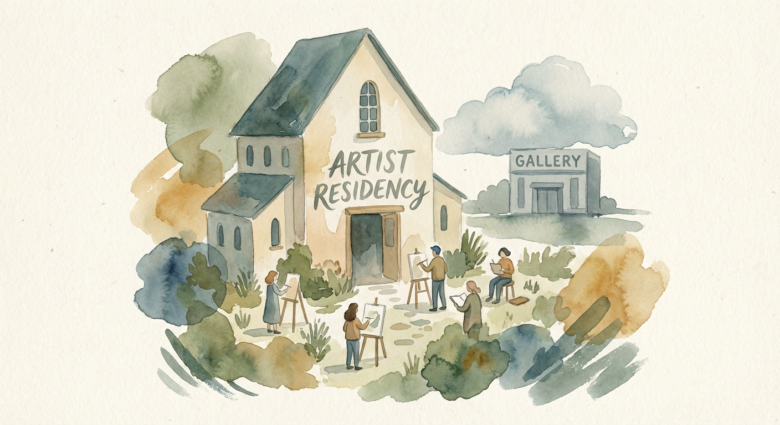
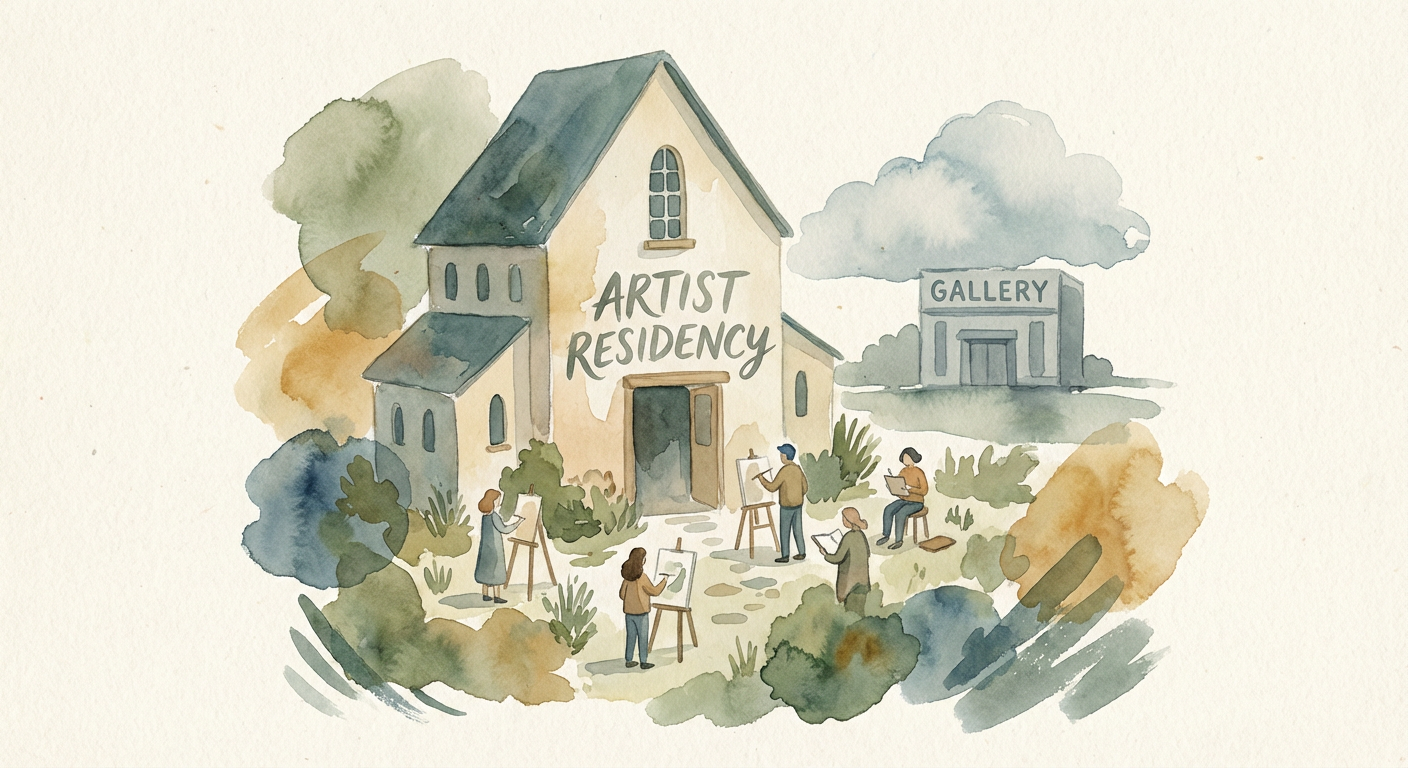
Yet this challenge has also sparked creative solutions. Artist residency programs have expanded rapidly, offering not just temporary workspace but models for sustainable creative practice that exist outside traditional real estate markets. These programs recognize that artistic development requires both time and space. They provide resources that enable sustained investigation rather than quick production cycles.
The growth of residency opportunities reflects a broader understanding that supporting artistic practice means supporting the conditions in which art gets made. Rather than simply purchasing finished works, these programs invest in the process of creation itself. They acknowledge that significant artistic development requires sustained attention and appropriate resources.
Technology, Authenticity, and New Questions
Recent technological developments have introduced new complexities into questions of artistic value and authenticity. The speculative bubble around NFTs may have deflated dramatically, but the underlying blockchain technologies for establishing provenance and ownership continue to offer practical tools for artists seeking to maintain control over their work in digital environments.
Meanwhile, artificial intelligence image generation has opened fundamental questions about the nature of creative authorship. As Hyperallergic art criticism has explored extensively, these tools force reconsideration of what constitutes original creation versus sophisticated recombination of existing elements. The debate extends beyond simple questions of replacement to deeper inquiries about the role of human intention and creative choice in artistic practice.
These technological shifts occur alongside broader questions about how digital tools alter the relationship between concept and execution in artistic work. For some practitioners, AI tools offer new possibilities for realizing complex visions that might otherwise require prohibitive resources. For others, the emphasis on manual skill and direct material engagement becomes even more important as a defining characteristic of artistic practice.
The challenge lies not in rejecting new technologies wholesale, but in developing frameworks for using them in ways that enhance rather than diminish human creative agency. This requires ongoing conversation about values, intentions, and the specific qualities that artists seek to cultivate in their practice.
Sustainable Practice in an Uncertain Landscape
The convergence of economic pressure, spatial displacement, and technological disruption creates a complex environment for independent artistic practice. Yet within these constraints, innovative approaches to sustainability continue to emerge. Artists develop portfolio careers that blend teaching, commercial work, and personal projects. Collectives form to share resources and create mutual support networks. Alternative institutions arise to provide exhibition and development opportunities outside traditional gallery systems.
Perhaps most significantly, there appears to be growing recognition that sustainable artistic communities require intentional cultivation rather than market-driven development. This understanding drives initiatives from cooperative gallery spaces to time-banking systems that allow artists to trade skills and resources without monetary exchange. Platforms like Artsy contemporary art document these emerging models alongside more traditional market activities, highlighting the diversity of approaches to artistic sustainability.
Independent artistic practice will likely depend on successfully balancing innovation with sustainability, technological capability with human intention, and individual creative vision with collective support systems. These balancing acts require ongoing attention to both the practical mechanics of creative work and the broader cultural values that shape how society understands and supports artistic practice.
The conversations emerging around these challenges deserve participation from anyone interested in the future of cultural production. How we collectively navigate questions of artistic sustainability will determine what kinds of creative work remain possible in the decades ahead.