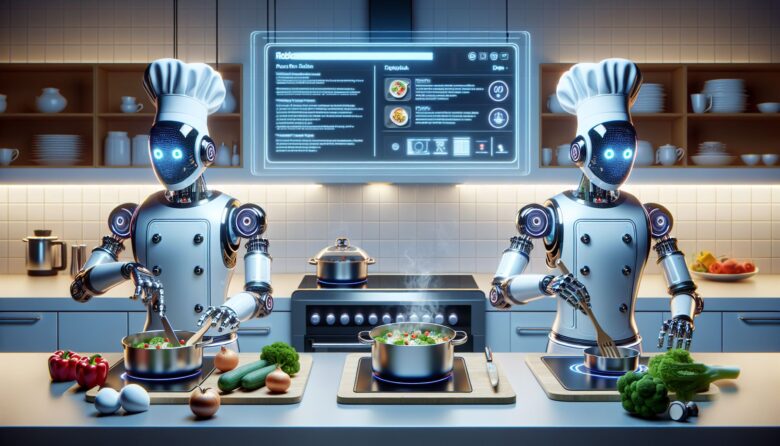
Hey there, fellow tech enthusiasts! Let’s jump right into what I think might just be the next big thing in our kitchens: Robotics in culinary arts. This isn’t about automating your morning coffee with a fancy coffee machine or a timer set on your oven. No, I’m talking about fully robotic chefs whipping up your meals with the finesse and expertise of a seasoned chef—think Ratatouille meets The Jetsons. It’s happening, folks, and it’s more delicious than you’d think.
The Beginnings of Robo-Culinary
You might’ve seen videos of machines assembling burgers or vending machines dispensing piping hot pizzas. Those were the appetizers. What’s on the menu now are fully automated kitchen systems that can chop, dice, season, and stir-fry just like Mom used to do—if Mom was a humanoid robot with hyper-precision engineering.
Remember Moley Robotics? A few years back, they released a concept for a robotic kitchen that looked more science fiction than reality. Fast forward to today: Moley not only exists, they’re cooking! The company has created a robotic kitchen system that can cook up to 5,000 recipes from scratch. I don’t even think there are that many dishes in my food vocabulary!
How Do These Robo-Chefs Work?
So, how does a smart kitchen go from chopping onions to plating the perfect coq au vin? Picture this: mechanical arms with a dexterity that would have anyone second-guessing their knife skills. These robotic arms track every minuscule movement as an actual chef demonstrates a recipe. High-definition cameras, pressure sensors, and AI-powered algorithms work together to replicate those actions with precision.
And these robo-chefs don’t just stop at cooking. They can gather ingredients from a smart fridge, adjust cooking temperatures, time the boiling of your pasta, and even clean up afterward! Talk about living the dream, right?
Why Does This Matter?
Alright, it’s cool. Actually, it’s beyond cool—it’s nearly miraculous! But why does this technology matter? For starters, it opens up cooking to people who couldn’t manage it before. Think about the benefits for people with disabilities—the independence of preparing their meals without needing assistance. Or consider the potential for retirement homes where residents can enjoy gourmet meals personalized to their dietary needs without a physical chef present.
From a business perspective, think about the economic effects. Restaurants slashing their downtime with robots prepping meals at relentless efficiency, significantly reducing food waste. Small eateries that can’t afford to hire more staff now having the chance to scale operations. And homes everywhere benefiting from automation technology that handles a cornerstone of daily life—cooking.
The Taste Factor
No tech post on cyber-chefs is complete without tackling what some might consider the biggest question: the taste. Now, I know what you’re thinking. Will these meals taste any good, or will they be on par with airline food? Reality check—in taste tests and public demos, robotic chefs have actually managed to impress the skeptics. Some high-profile trials have had tech reviewers and food critics alike amazed at how carefully robots can handle delicate flavors and textures usually thought out of reach for automation.
There’s an argument to be made, though, about the soul of food. Does it taste as good when created by a machine rather than a passionate chef? That’s subjective, and it’s precisely why some people still prefer vinyl records over Spotify, right?
Challenges on the Menu
But hold on for a second—there are obstacles on the course to a completely robo-catered world. First, there’s the cost. These systems aren’t exactly the most budget-friendly. It’s cutting edge, and cutting edge doesn’t come cheap.
Then there’s the cultural aspect. Food is an emotional affair, woven with familial traditions. How do you account for a mom’s secret sauce or dad’s barbecue smoke mastery? Even as we explore these robotic chefs, a part of us wonders if they’ll ever truly replicate that “made with love” quality we’ve come to expect.
There’s also the learning curve for households to integrate such high-tech systems. While techies might embrace a robotic chef with open arms (and open mouths), others may hesitate to let go of the skillet with their grandma’s fingerprints on it.
The Future—Feast or Famine?
Let’s dream a little. What if, in ten years, I could call out to my kitchen to prepare my grandmother’s Sunday roast, but with my vegan ingredient twist? Could it work with a smart grocery app that replenishes stock automatically before cooking? And what about AI pairing wine with every meal, choosing from a virtual cellar? Talk about a tailor-made dining experience.
Yet, as promising as this all sounds, will this future be here by next holiday season? Probably not. The spread of robotic chefs will likely trickle into society first through high-end restaurants, then branch out to tech-forward homes and eventually make their way through to you and me.
After all, we’re wild for innovation, especially when it promises to tickle our taste buds and spare us the endless tedium of dishwashing. I’m hungry just imagining it!
Let me know what you think. Are you ready to swap your wooden spoon for a robot arm? Or is this one breakthrough you’d prefer to keep on the back burner for now? 🍽️