The Economic Metamorphosis of Urban Expression
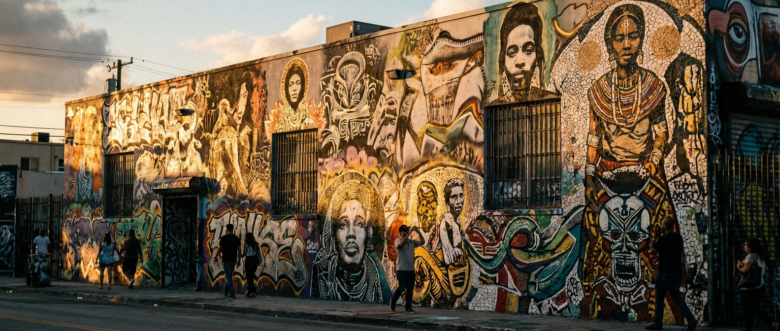
The anonymous figure known as Banksy is one of the most fascinating paradoxes in contemporary art markets, with annual trading values surpassing one hundred million dollars despite the artist’s steadfast refusal to reveal their identity. This phenomenon shows a broader transformation happening within street art, where works once considered vandalism now command museum-worthy prices and institutional respect. The economic validation of street art signals something more profound than mere market dynamics. It shows society’s growing recognition that public spaces deserve artistic intervention just as much as private galleries.
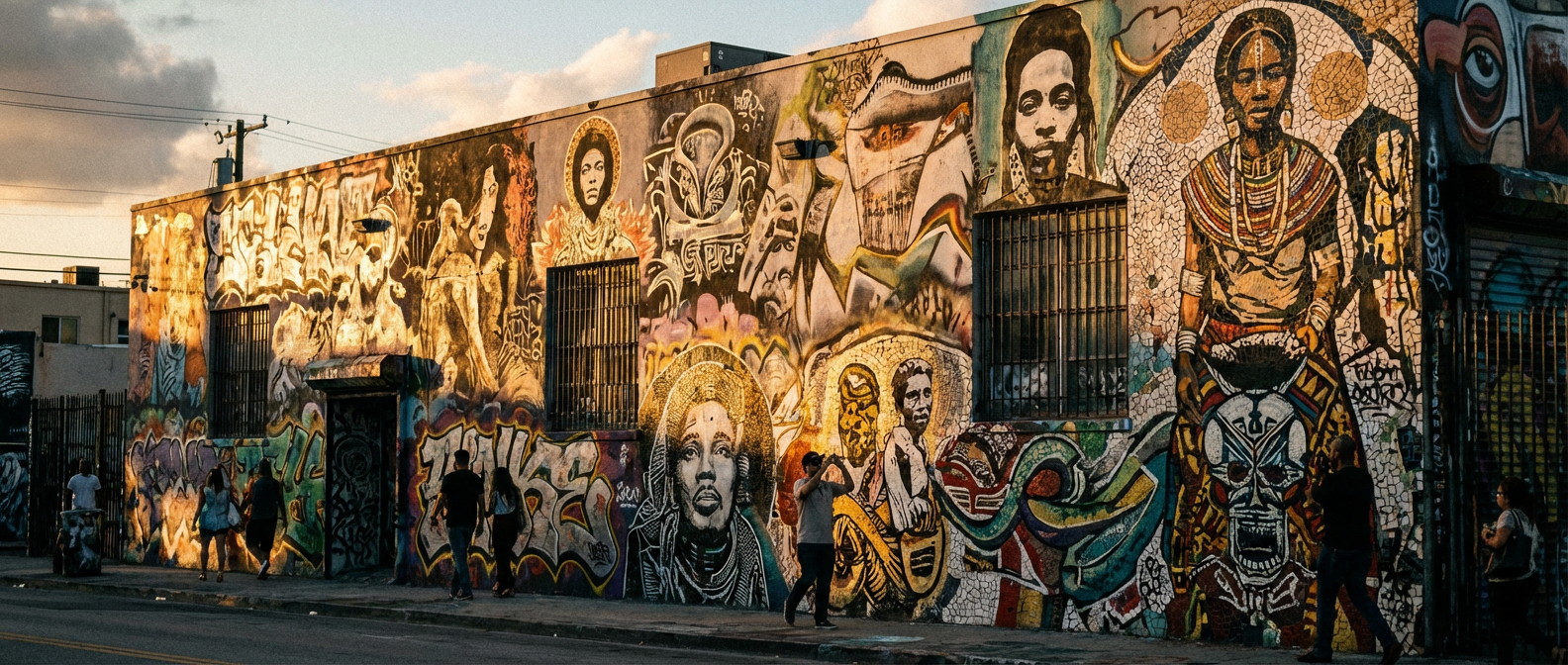
What emerges from this economic shift is a new understanding of value creation in public art. Unlike traditional art markets that rely heavily on provenance and artist biography, street art derives its worth from context, immediacy, and community response. The market’s embrace of anonymous creators like Banksy suggests that audiences increasingly value the message and impact over the messenger. This development fundamentally challenges how we understand artistic authority and cultural significance.
Urban Canvas: From Advertising Wasteland to Cultural Landscape
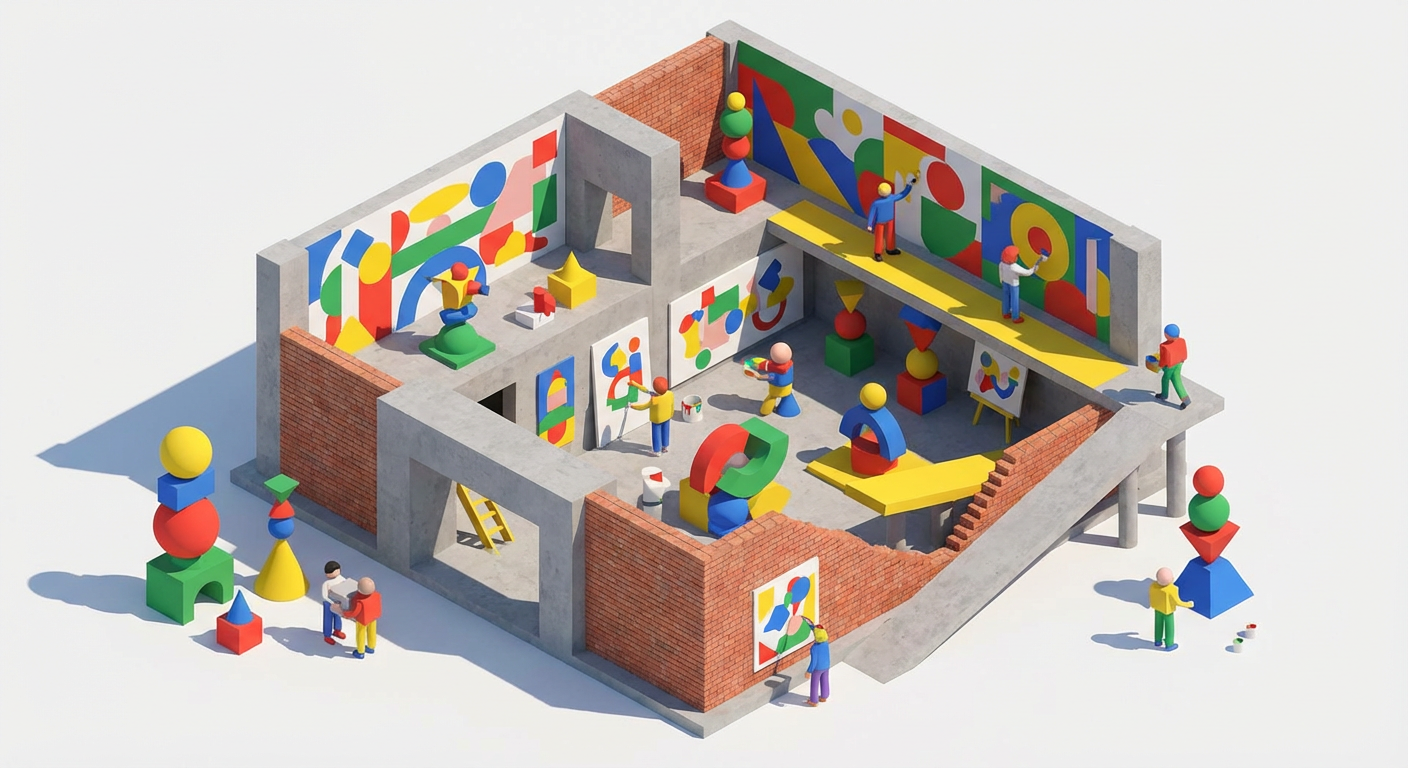
Cities worldwide are discovering that commissioned murals offer far greater community value than traditional advertising hoardings, particularly in neighborhoods undergoing revitalization. This shift is more than aesthetic preference. It’s a fundamental reimagining of urban space as a site for cultural dialogue rather than pure commercial messaging. Local governments and developers increasingly recognize that large-scale public artworks can anchor community identity while attracting economic investment, creating what urbanist Jane Jacobs might have recognized as the “organized complexity” essential to neighborhoods that actually work.
The replacement of commercial advertising with artistic expression reflects changing attitudes toward urban ownership and agency. Where billboards once imposed external corporate messages onto local communities, murals often emerge from collaborative processes that involve residents, local artists, and cultural organizations. This participatory approach ensures that public art functions as a form of collective storytelling rather than top-down messaging, fundamentally altering the relationship between citizens and their built environment.
The success of these initiatives has prompted urban planners to reconsider the role of visual culture in city design. Rather than treating public art as decorative afterthought, forward-thinking municipalities now integrate artistic programming into comprehensive development strategies. This integration acknowledges that cultural vitality and economic prosperity operate in symbiotic relationship, each reinforcing the other in sustainable urban development.
Tourism and the Commodification of Rebellion
Street art tours have emerged as leading tourist attractions in major cities, consistently ranking among the top five recommended activities on platforms like TripAdvisor. This development reveals how quickly underground culture can transition into mainstream economic driver, raising complex questions about authenticity and commodification. The popularity of these tours demonstrates public hunger for authentic cultural experiences, yet their very existence transforms the spontaneous nature of street art into something more predictable and managed.
The tourism industry’s embrace of street art creates both opportunities and tensions for local artistic communities. While increased visibility can provide economic benefits for artists and neighborhoods, it can also accelerate gentrification processes that ultimately displace the very communities that originally created these cultural expressions. The challenge lies in developing tourism models that support local artists and residents rather than merely extracting cultural value for external benefit.
Professional guides now offer sophisticated contextual frameworks for understanding street art, often connecting individual works to broader social movements, historical events, and artistic traditions. This educational component elevates street art appreciation beyond mere visual consumption, encouraging tourists to engage with the underlying social and political messages embedded within the works. Widewalls street art coverage provides extensive documentation of how these tourist experiences are reshaping public perception of urban art forms.
The Governmental Balancing Act
City governments face an increasingly complex challenge as they attempt to balance graffiti enforcement with strategic investment in public art programming. This balancing act requires understanding the differences between various forms of urban expression, as well as sophisticated policy frameworks that can distinguish between unwanted vandalism and valuable cultural production. The most successful approaches involve community engagement processes that allow residents to participate in defining what kinds of artistic expression they want to see in their neighborhoods.
Progressive municipalities are discovering that zero-tolerance graffiti policies often prove counterproductive, creating adversarial relationships between artists and authorities while failing to address underlying social conditions that drive unsanctioned expression. Alternative approaches focus on providing legal venues for artistic expression while maintaining community standards for public space use. These policies recognize that artistic impulses cannot simply be suppressed but must be channeled in ways that benefit both artists and broader community interests.
The most innovative policy solutions involve collaboration between law enforcement, cultural organizations, and artist communities to develop comprehensive urban art strategies. These partnerships acknowledge that effective public art programming requires ongoing dialogue between all stakeholders, ensuring that policies remain responsive to changing community needs and artistic practices. Street Art News regularly chronicles these evolving policy approaches and their varied outcomes across different urban contexts.
Digital Frontiers and Collective Reclamation
Digital projection mapping technologies are expanding street art beyond traditional static forms, creating interactive experiences that respond to environmental conditions, audience participation, and real-time data streams. These technological innovations allow artists to transform entire building facades into dynamic canvases that can shift throughout the day or react to social media activity, weather patterns, or community events. The integration of digital elements shows street art’s continued evolution as a medium that embraces rather than resists technological change.
At the same time, artist collectives are reclaiming abandoned buildings and vacant lots as temporary gallery spaces, creating alternative exhibition venues that operate outside traditional institutional frameworks. These initiatives demonstrate how artistic communities can address urban decay through creative intervention while providing platforms for emerging artists who might otherwise lack exhibition opportunities. The temporary nature of these spaces allows for experimental programming and community engagement that more permanent institutions often find difficult to achieve.
These developments suggest that street art’s future lies not in its eventual institutionalization but in its capacity for continuous reinvention and adaptation. The movement’s strength comes from its ability to respond rapidly to changing social conditions while maintaining its essential character as public, accessible, and democratically oriented cultural expression.
The transformation of street art from subcultural practice to mainstream cultural phenomenon invites deeper consideration of how we define public culture in contemporary urban environments. As these artistic practices continue evolving, they offer valuable insights into the possibilities for more participatory, inclusive, and culturally vibrant cities that work for all residents rather than a privileged few.